Planning Your Disney Vacation Around School Breaks in 2027
A&A Travel·Oct 7, 2026·10 min read


Photo by Gabriel Tovar on Pexels
Two calendars decide almost everything about a family Disney trip: the one posted on your school district's website and the one Disney runs. When those two line up badly, you end up paying peak-season rates for a week that feels like a crowd management exercise. When they line up well, the same trip feels easy. Planning your Disney vacation around school breaks in 2026 means accepting that your travel window is largely fixed, then putting your effort into the parts you can still control: which break you choose, how long you stay, when you book, and how prepared your group is when you walk through the gate.
School calendars squeeze family travel into a handful of windows: summer, winter break, spring break, fall breaks, and whatever long weekends your district hands out. Everyone with kids is working from that same short list, so the weeks that fit your family also fit thousands of others. Disney planning resources repeat this point in different ways. One travel agent-written guide notes that Disney World vacations are expensive and that families who skip detailed planning do not maximize their time or money in the parks. That second cost is easy to underestimate on a school break trip, because time is exactly what a busy park takes from you.
The good news is that school break travel is predictable. You usually know months ahead which weeks are open to you, and predictability rewards early decisions. Families who identify their window first and work backward from it tend to hit far less friction than families who pick dates casually and then discover their dining reservation window has already opened and closed.
Start with your own school district, not with a blog post or a friend's schedule. Districts publish calendars on their own timelines and they do not align with each other. Two families in the same city can have different spring break weeks, and a fall break in one district may not exist in the next town over. If your district has not posted its 2026 calendar yet, work from your best estimate and then confirm the dates before you commit to anything nonrefundable.
Once you know your open windows, rank them instead of grabbing the first one that works. A few questions make the ranking easier:
That last question matters more than it sounds. Moving a trip by a day or two at the edges of a school break can change what is available to you, and it is often the only lever families have. If your district calendar gives you any slack at all, spend it on purpose rather than by accident.
One of the most repeated pieces of Disney planning advice is straightforward: know your booking windows and establish a touring guide for the parks. Booking windows are the dates when you become eligible to reserve specific parts of your trip, and they do not all open at the same time. Advance dining reservations are the classic example. Preparation checklists consistently place them near the top of the list, because the restaurants families want most are the ones that fill first. Specific windows, opening times, and eligibility rules change over time, so verify current details on Disney's official site or have your travel agent confirm them before you mark your calendar.
A touring guide is the other half of that advice. On a crowded school break week, deciding in advance which park you will visit on which day, and roughly what you want to accomplish there, keeps a group from burning the first two hours of every morning debating the plan.
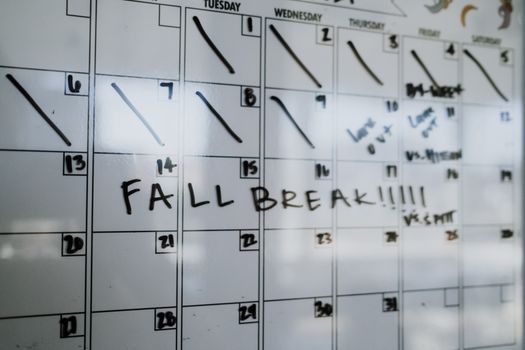
Photo by K on Pexels
Another common recommendation from experienced planners is to research peak crowds and themed days before you finalize anything. Not every day of a school break week behaves the same way, and special events can shift park hours, entertainment schedules, and which park makes the most sense on a given date. Checking for themed days, after-hours events, and anything else that might affect access is worth the time, particularly if your trip is short and cannot absorb a surprise.
This is also where a planner earns their keep. Someone who watches park calendars and event schedules all year tends to know which days to steer around and which to build on, and that kind of pattern recognition is hard to reconstruct from scratch during a busy season.
One widely shared recommendation from Disney planning writers is that a minimum of about seven days is ideal for a family's first trip to Disney World. That is guidance, not a rule, and it will not fit every school break or every budget. The logic is still worth understanding. A first visit involves a long list of firsts, and a longer stay lets you absorb them without sprinting from one to the next. If your school break hands you a week or more, that length lines up well with the advice.
If your break is shorter, prioritize instead of compressing. Pick the parks and experiences that matter most to your family, build in at least one slower day, and accept that you will leave some things for a return trip. A shorter trip that feels calm beats a packed one that feels like a second job.

Photo by https://kaboompics.com/ on Pexels
Planning resources suggest checking the park calendars a few months out, again a few weeks before you leave, and once more in the days right before departure. Park hours and offerings can shift, and a schedule that was accurate in the spring may not be accurate by the time your trip arrives. Rechecking takes minutes and prevents the unpleasant discovery that a park closes early on the one evening you had earmarked for it.
If you are working with an agent, this is an easy task to hand off. If you are planning independently, put three calendar checks on your own list and treat them like appointments, not suggestions.
Preparing children before the trip shows up on nearly every Disney preparation list, and it matters most during school breaks when parks are fuller. Walk younger kids through what the day will look like, talk honestly about waiting, and set expectations about what you will and will not do. Children handle crowds far better when they know what is coming and roughly when it will end.
A few habits help: agree on a meeting spot in each park, keep snacks and water within reach, plan a midday rest, and build in one thing each child picked themselves. Small pieces of ownership go a long way toward keeping the day pleasant for everyone, including the adults.
If you want the short version, this sequence keeps the moving parts in a sensible order.
| Stage | What to Do |
|---|---|
| First | Get your district calendar and rank your available travel windows |
| Before booking | Confirm booking windows and note when dining reservations open |
| When windows open | Reserve resort, tickets, and dining as each window allows |
| A few months out | Review park calendars, special events, and themed days |
| A few weeks out | Recheck park calendars and settle daily plans |
| Days before travel | Final calendar check, prepare the kids, confirm details |
The exact timing of each step depends on your dates and the current booking rules, so confirm specifics with Disney or your agent rather than trusting an old blog post. The order, though, rarely changes.

Photo by Johannes Plenio on Pexels
Planning a Disney vacation around a school break involves a lot of small, timing-sensitive tasks, and many families end up doing that work late at night after the kids are asleep. A travel agent handles the research, the itinerary design, and the booking, and at Awesome and Amazing Travel that service is free to the client. Maritess is a Top 1% Elite Agent affiliated with MainStreet Travel, has served more than 100 families, and plans Disney trips, Universal Studios visits, cruises, resorts, and group adventures. If your schedule is tight and your patience for logistics is thinner than your excitement for the trip, handing off the planning is a fair trade.
Start as soon as your district posts its calendar, since your travel window drives everything else. If the 2027 calendar is not available yet, plan around your best estimate and confirm the dates before booking anything nonrefundable. Booking windows for dining and other reservations open on their own schedules, so knowing your dates early keeps you from missing them. Verify current timing rules with Disney or your travel agent.
School breaks are popular travel windows because they are when most families can go, which is why planning resources consistently advise researching peak crowds and themed days ahead of time. Rather than guessing, check park calendars and event schedules for your specific dates and build a touring plan that accounts for busier days. If your district calendar offers any flexibility, shifting by a day or two can change what you are working with.
Confirm your dates, then work through your booking windows in order. Preparation checklists generally place advance dining reservations at the top, with resort and ticket arrangements handled as those windows allow. Park calendars come next, reviewed a few months out and again closer to travel. Because booking rules and opening times change, confirm the current process on Disney's official site or ask your agent.
Yes, and many families use one precisely because school break trips have less slack in them. An agent tracks booking windows, watches park calendars and special events, and handles reservations, which matters when your dates cannot move. At Awesome and Amazing Travel, planning and booking services are free to the client, and the same support covers cruises, resorts, and group trips as well.
Let a Top 1% Elite Agent handle every detail — from Disney to cruises to group adventures. Free consultation.
Written by
A&A Travel
First Disney cruise in 2026? Learn how to pick a sailing, prep passports and dates, and plan onboard fun, shore days, and pre-cruise stays.

Disney vacation planning for 2026 starts with three decisions: when to go, where to stay, and how long. Here is a simple order of operations.
From Genie+ to rope drop strategy, here are the 10 essential Disney World tips that will save you time, money, and stress on your first visit.